When you cancel a flight can matter as much as whether you cancel it. Act at the right moment and you may receive every dollar back. Act a day too late, or a day too early, and the same ticket might yield only a credit or nothing at all. Timing is the one part of the refund process that is entirely in your hands.
This guide sets out the key moments in a ticket's life and the best move at each one.
The Timeline That Matters
The First 24 Hours
This is the best time to cancel a ticket you no longer want. For flights to, from or within the United States, booked directly with the airline at least seven days before departure, the carrier must either refund you in full on request within 24 hours or have offered a free 24-hour hold. The rule covers non-refundable and basic fares. Review your confirmation email as soon as it arrives and decide quickly.
After 24 Hours, Well Before Departure
The fare rules now apply. If your ticket converts to a travel credit, there is usually no advantage in cancelling immediately. Waiting can actually help: if the airline changes its schedule in the meantime, you may become eligible for a cash refund instead of a credit.
The Final Days
Keep an eye on your booking. Schedule adjustments are common in the weeks before travel. If nothing has changed and you are certain you will not fly, cancel before departure to protect the ticket's value.
Before the Flight Leaves
This is the hard deadline. Most airlines require you to cancel before the scheduled departure time, and some set a cut-off of minutes or hours beforehand. If you simply do not show up, the ticket is typically forfeited.
Which Refund Rule Applies to You?
Three situations produce three different results.
- You cancel a refundable ticket. The fare is returned to your original payment method.
- You cancel a non-refundable ticket. You normally receive a credit for future travel, possibly less a fee. Basic economy may return little or nothing.
- The airline cancels or makes a significant change. You are entitled to a full refund if you choose not to travel.
When the Airline Cancels or Significantly Changes Your Itinerary
U.S. Department of Transportation rules treat the following as significant changes: a departure or arrival time moved by three hours or more on a domestic itinerary or six hours or more on an international one; a change to the departure or arrival airport; an increase in the number of connections; or a downgrade to a lower cabin. If your flight was canceled by the airline, or changed in one of these ways, and you decline the alternative, the refund must go back to your original form of payment.
This is why patience can pay. If you already know you will not travel on a non-refundable ticket, check the booking regularly. A schedule change by the airline can turn a credit into cash. Do not, however, let the departure time pass without cancelling.
How to Cancel and Claim What You Are Owed
- Find your booking. Have the confirmation number and passenger name ready.
- Read the fare rules. Check whether the ticket is refundable, creditable or restricted.
- Look for schedule changes. Compare the current itinerary with your original confirmation.
- Cancel through the right channel. Use the airline's website for direct bookings, or contact the agency that issued the ticket.
- Choose refund over credit when you are eligible for both.
- Keep the cancellation confirmation and note the date.
- Follow up. Card refunds are due within seven business days; other payments within 20 calendar days.
How the Major Airlines Compare
The outline below is general. Fare names and conditions change, so verify the terms on your own ticket.
- United Airlines: No change fees on most standard Economy and premium fares for travel starting in the U.S.; cancellations of non-refundable tickets become future flight credit. Basic Economy is restricted. See our guide to United Airlines reservations.
- Delta Air Lines: Similar approach, with eCredits for cancelled non-refundable Main Cabin tickets and tighter rules on the most basic fare.
- American Airlines: No change fees on most Main Cabin and higher fares; Basic Economy has limited options.
- Southwest Airlines: No cancellation or change fees; cancel at least ten minutes before departure to keep the value as a credit or refund, depending on fare.
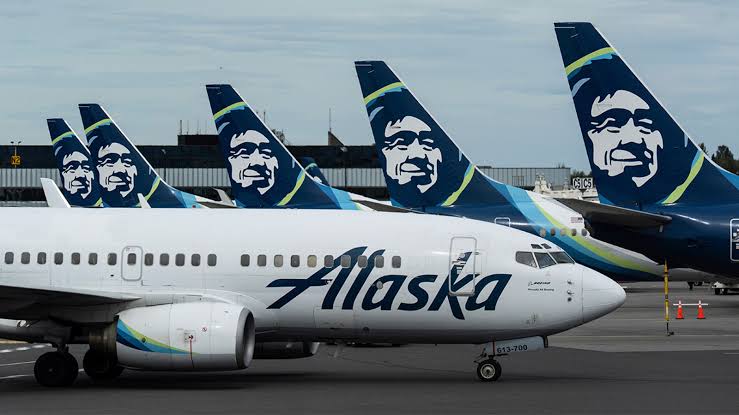
- Alaska Airlines: No change fees on Main and First fares; the lowest Saver fare is more restricted.
Frequently Asked Questions
Do I get a refund if the airline cancels my flight?
Yes. If you choose not to accept rebooking, you are owed a refund of the unused ticket and any paid extras you did not receive.
Will I automatically get cash if I cancel myself?
No. A voluntary cancellation is governed by the fare rules. Only refundable tickets and cancellations within the 24-hour window return cash.
Does the 24-hour rule cover every reservation?
No. It applies to direct airline bookings made at least seven days before departure. Agency bookings follow the agency's policy.
Is a cancellable ticket the same as a refundable one?
No. Many tickets can be cancelled for a credit but not refunded in cash.
What if I accept the replacement flight?
Once you accept and travel on the alternative, you are no longer entitled to a refund for that journey.
Can I get a United refund after the airline cancels?
Yes, on request, if you decide not to travel on the rebooked flight.
What happens if I miss a Southwest flight?
If you have not cancelled at least ten minutes before departure, no-show rules apply and lower fares may lose their value.
Final Thoughts
The best time to cancel is within the first 24 hours if you have changed your mind, or after an airline schedule change if you are holding a non-refundable ticket. The worst time is after the plane has left. Check your booking regularly, know your fare rules and never be a no-show. For your next flight booking, consider whether a slightly more flexible fare is worth the extra few dollars.