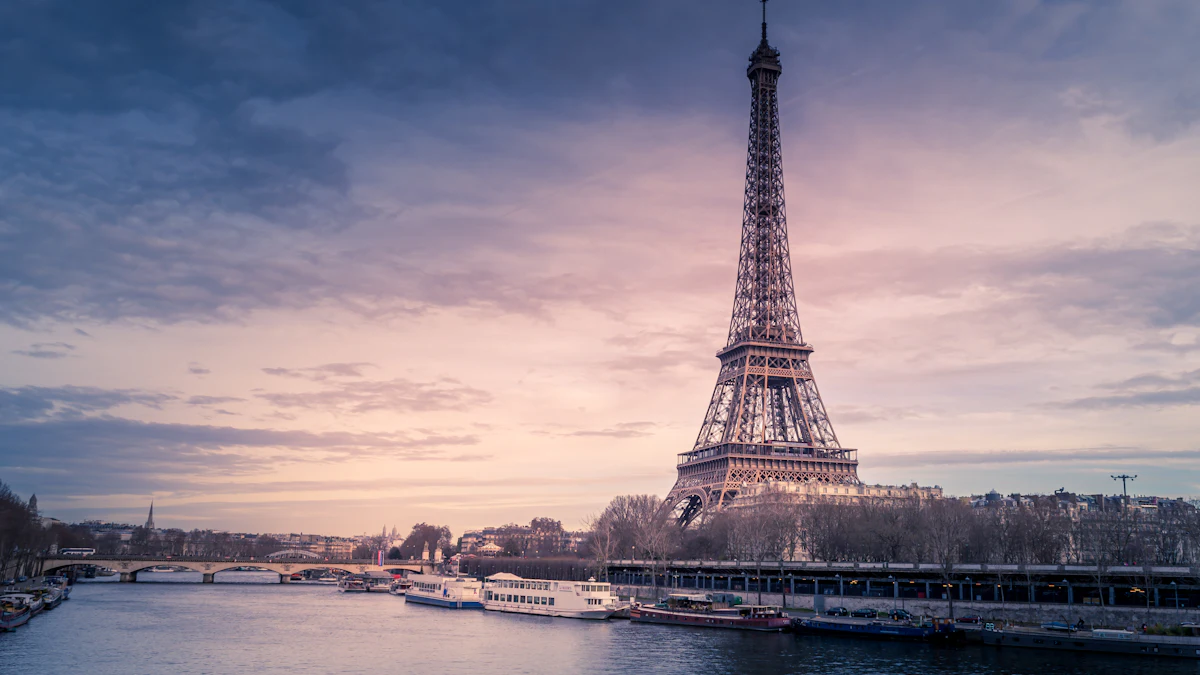
Paris has a way of feeling familiar before you have even arrived. You have seen the tower, the river and the pavement cafés in a hundred films. What surprises first-time visitors is how compact and walkable the real city is, and how much of its charm sits in ordinary streets rather than behind a ticket barrier. With a little planning you can see the famous sights and still leave time to sit, eat and watch the city go by.
How Long to Stay
Plan on four or five days for a first visit. That covers the headline attractions at a comfortable pace and leaves room for one excursion outside the city. Three days works if you are disciplined; a week lets you explore neighborhoods that most tourists never reach.
Choosing a Neighborhood
Paris is divided into 20 districts called arrondissements, numbered in a spiral from the center. Where you base yourself shapes the whole trip.
- Le Marais (3rd and 4th): Old lanes, independent shops and lively evenings. Central and easy to walk from.
- Saint-Germain-des-Prés (6th): The classic Left Bank of bookshops, galleries and historic cafés. Pricey but beautiful.
- Latin Quarter (5th): A student area with good-value restaurants, close to Notre-Dame and the Luxembourg Gardens.
- Around the Eiffel Tower (7th): Calm and residential, with the tower on your doorstep.
- Montmartre (18th): Hilltop village atmosphere and lower rates, at the cost of longer metro rides.
Rooms in central districts sell out early in spring and summer. Compare rates and locations on SkySparrows hotels once your dates are set.
What to See and Do
Eiffel Tower
Timed tickets for the lifts are released online in advance and are well worth reserving; walk-up lines can stretch past an hour. The summit view is superb, though the best photographs of the tower itself are taken from the Trocadéro terrace or the lawns of the Champ de Mars. After dark it sparkles for a few minutes at the top of every hour.
The Louvre
The largest art museum in the world cannot be covered in one visit, so choose a handful of works and build a route around them. The Mona Lisa, the Venus de Milo and the Winged Victory are the usual trio. Reserve a timed entry slot and arrive early or on a late-opening evening. The museum is closed on Tuesdays.
Musée d'Orsay
Set in a grand former railway station, the Orsay houses the great Impressionist and Post-Impressionist collection, including Monet, Degas, Renoir and Van Gogh. It is smaller and easier to manage than the Louvre and is closed on Mondays.
Notre-Dame and Île de la Cité
The cathedral reopened at the end of 2024 after years of restoration following the 2019 fire. Entry is free, though booking a time slot shortens the wait. A few minutes away, Sainte-Chapelle has some of the finest medieval stained glass in Europe.
Montmartre
Climb the hill to the white domes of Sacré-Cœur for a wide view over the rooftops, then wander the cobbled lanes behind it. Early morning is the quietest and most atmospheric time to visit.
An Hour on the Seine
A river cruise is an easy way to see the bridges, Notre-Dame, the Louvre and the Eiffel Tower in a single hour. Evening sailings, when the monuments are floodlit, are the most memorable.
Easy Excursions
- Versailles: The palace and gardens of Louis XIV, around 40 minutes by suburban train. Go early and pre-book.
- Giverny: Monet's house and water garden, open from spring to autumn.
- Disneyland Paris: Roughly 40 minutes east on the RER A line.
- Champagne: Reims is 45 minutes away by high-speed train, with cellar tours and a magnificent cathedral.
Getting Around
The Métro is quick, frequent and reaches almost everywhere a visitor wants to go. Fares are loaded onto a Navigo card or the transport app on your phone. From Charles de Gaulle airport, the RER B train runs to the city center in about 35 minutes, and official taxis charge a fixed fare to central Paris.
Above all, walk. Many of the main sights are within 20 or 30 minutes of each other along the river.
Keeping Costs Down
- Work out whether the Paris Museum Pass pays for itself based on the museums you really intend to visit.
- Order the fixed-price lunch menu, called a formule, for a two- or three-course meal at a fraction of dinner prices.
- Coffee taken standing at the bar costs less than the same cup at a table.
- Ask for une carafe d'eau to get free tap water with your meal.
- Assemble a picnic from a bakery and a market and eat it in the Luxembourg Gardens or along the Canal Saint-Martin.
Good to Know
- Say bonjour when you enter a shop or café. It is basic courtesy and changes how you are treated.
- Service is included in restaurant bills. Leaving a euro or two for good service is appreciated but optional.
- Watch your bag and phone on the Métro and around the busiest monuments.
- A number of museums close one day a week, usually Monday or Tuesday, so check before you go.
Frequently Asked Questions
What is the best season for Paris?
April to June and September to October bring the most pleasant weather with manageable crowds. See our guide to the best time to visit Europe for a month-by-month view.
Is Paris an expensive city?
It can be, mostly because of accommodation. Staying slightly outside the center, eating your main meal at lunchtime and using public transport keep the total reasonable.
Can I reach London by train?
Yes. Eurostar links Paris Gare du Nord and London St Pancras in about two hours and twenty minutes. Our London travel guide picks up from there.
Ready to Go?
Reserve the big attractions, leave a few afternoons unplanned and let the city fill them. Start by comparing flights to Paris and choosing a neighborhood that suits the trip you have in mind.